






















Medieval Long Hair Styling Inspo: Enchanting Looks from the Golden Age of Braids
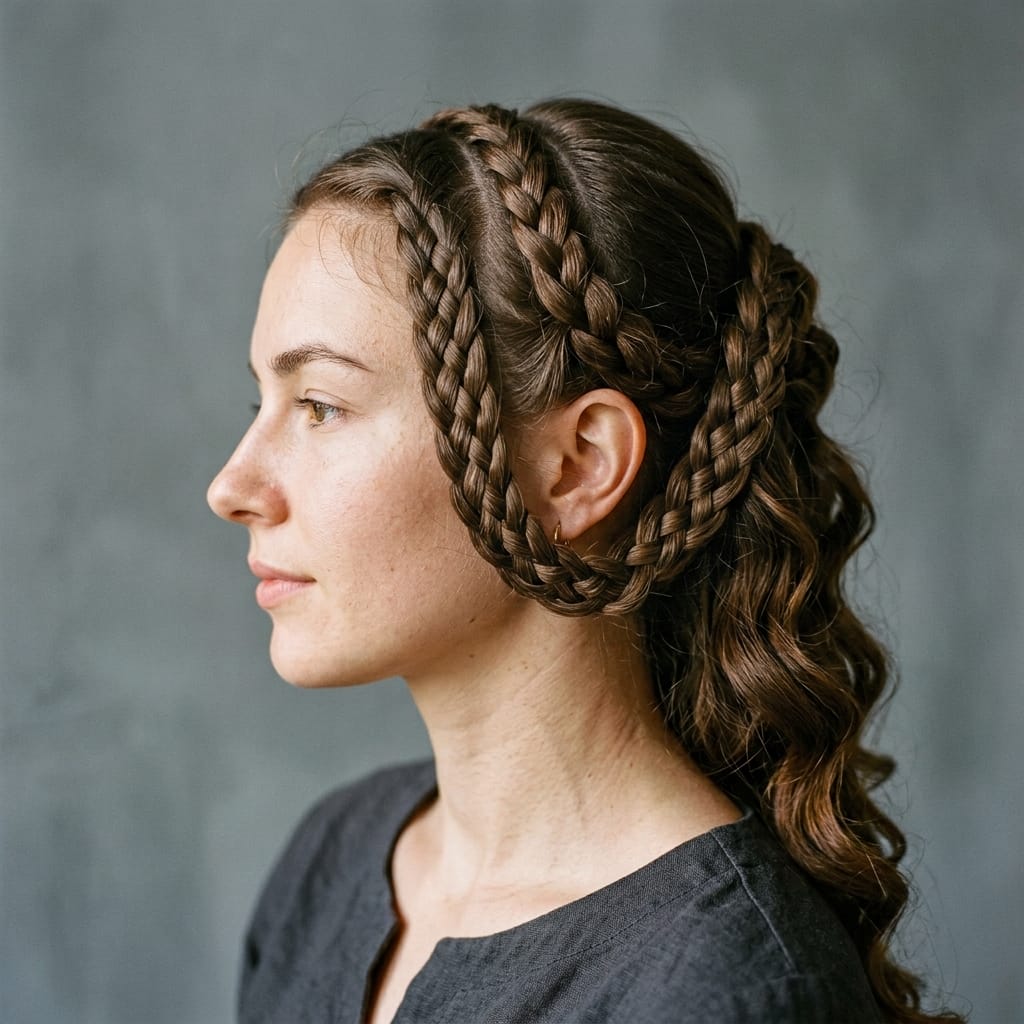
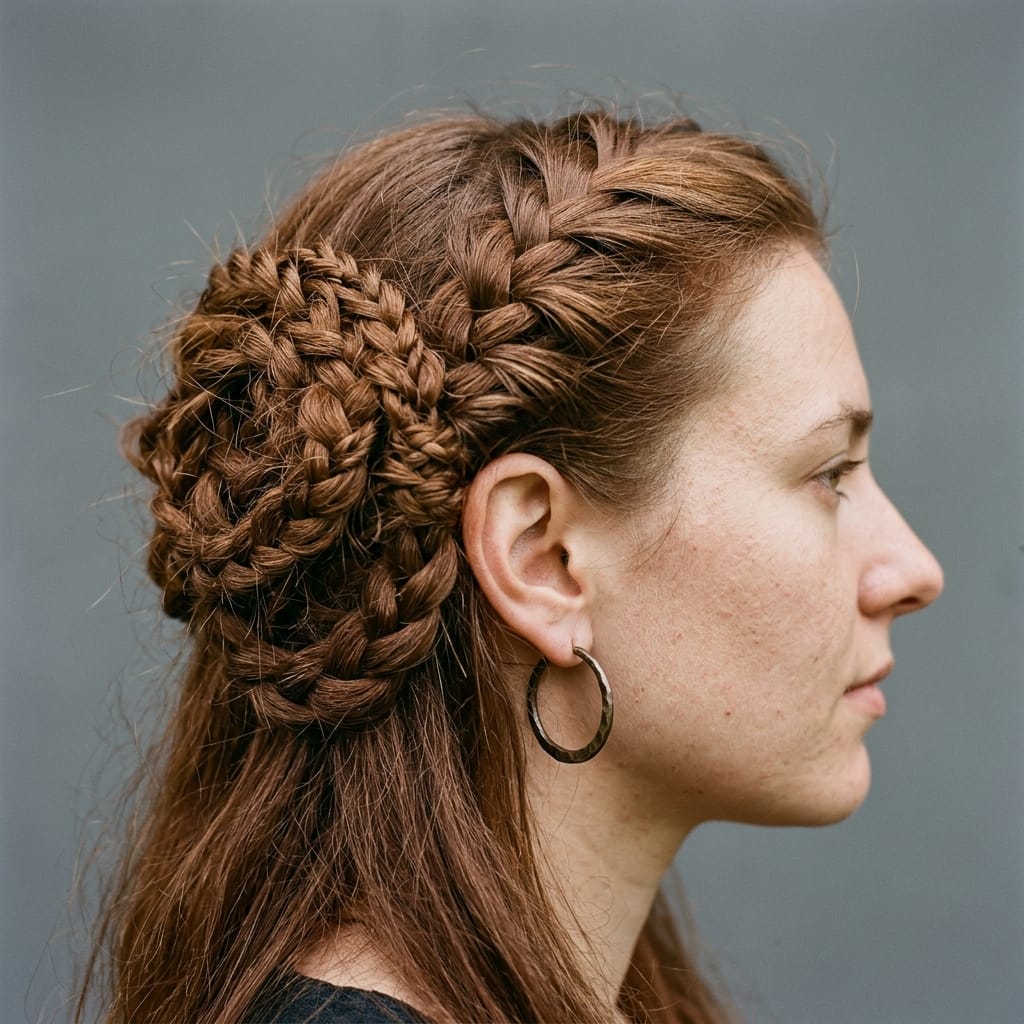
There is an undeniable mystique attached to the hairstyles of the medieval period. It was an era where hair was viewed as a woman’s crowning glory, representing status, purity, and personal identity. Across the courts of medieval Europe, women wore their hair incredibly long, often reaching past their waists. Because leaving hair completely loose and untamed was often considered improper for mature women, they developed some of the most intricate, secure, and breathtaking braided structures, wraps, and twists in history.
Today, medieval hair inspiration is enjoying a massive resurgence. Whether you are looking for the perfect look for a Renaissance festival, a fantasy wedding, or simply want to bring an aura of timeless, ethereal romance into your modern style, these medieval-inspired looks offer a brilliant blueprint for managing long hair with grace.
The Cultural Significance of Length and Adornment
In the medieval world, the way a woman styled her hair told a story to everyone who saw her. It was a visual language deeply rooted in tradition and social custom.
Braids as a Symbol of Status
While young girls were permitted to wear their hair completely loose, married women or women of noble birth were expected to secure their tresses. Elaborate braiding patterns were not just about vanity; they showed that a woman had the time, resources, and often the assistance of maidservants to construct complex, regal styles.
The Integration of Ribbons and Threading
One of the most authentic elements of medieval hair design was the practice of intertwining textiles directly into the hair. Women would use colored silk ribbons, gold threads, or leather cords, braiding them straight into their hair strands. This added an instant pop of color that could match their gowns while providing structural reinforcement to keep the heavy hair from falling down during daily tasks.
Iconic Medieval Hairstyles to Recreate
If you have long hair and want to channel your inner high-born lady or fantasy heroine, these classic medieval configurations offer incredible inspiration.
1. The Intertwined Crown Braids (The Headdress Look)
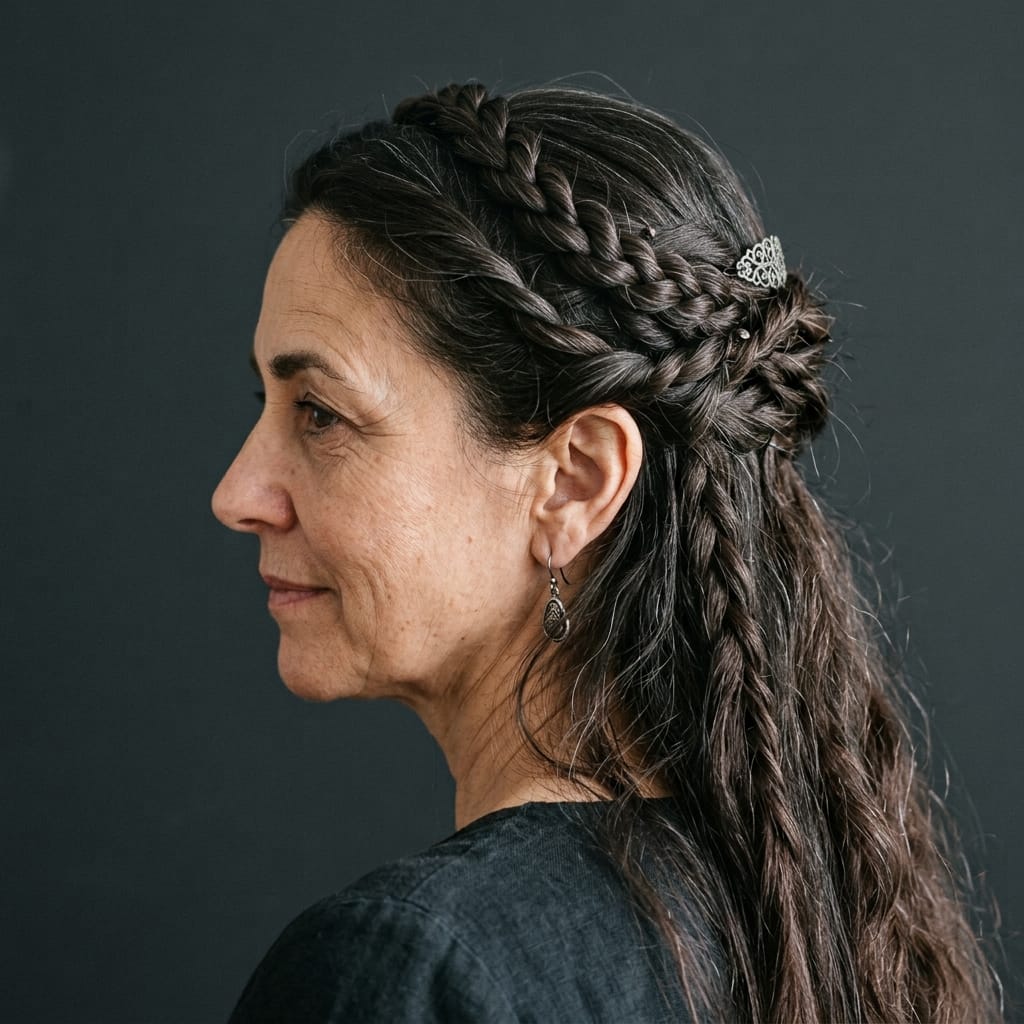
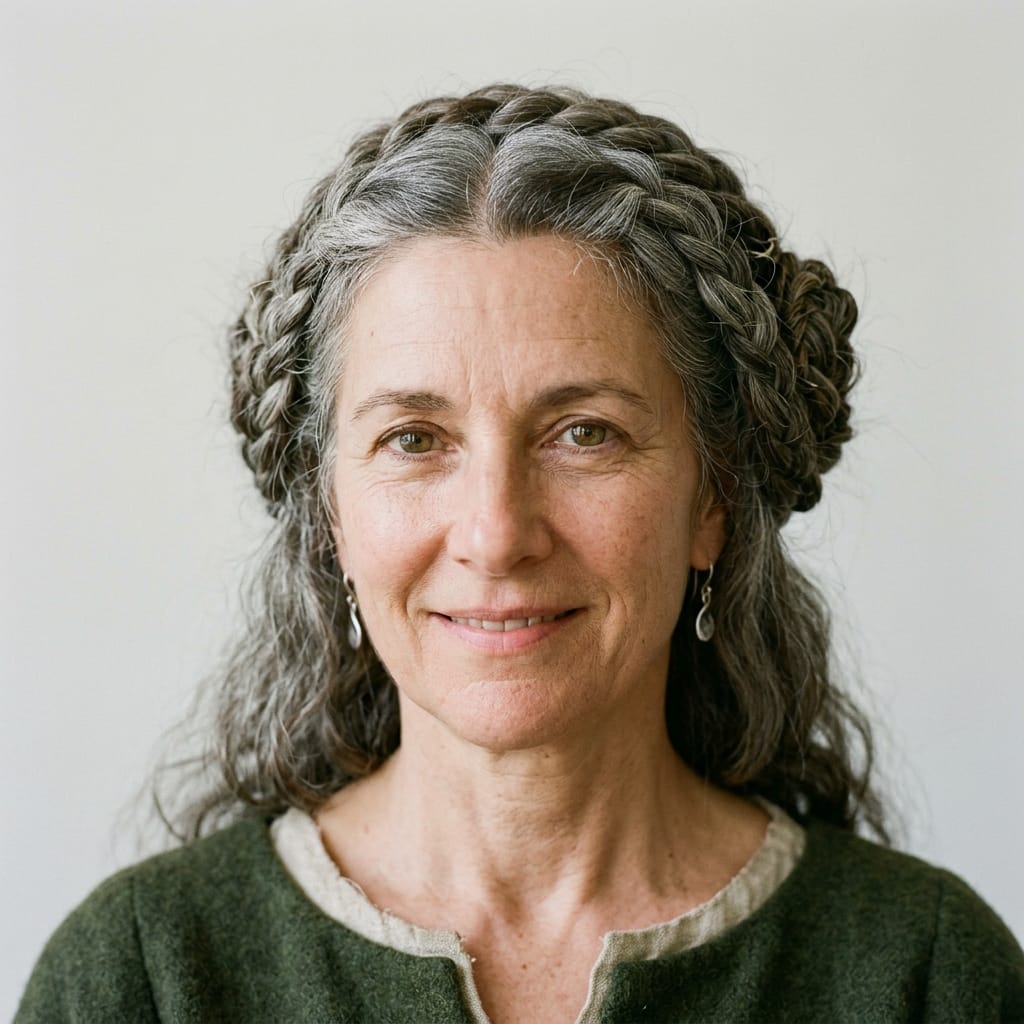
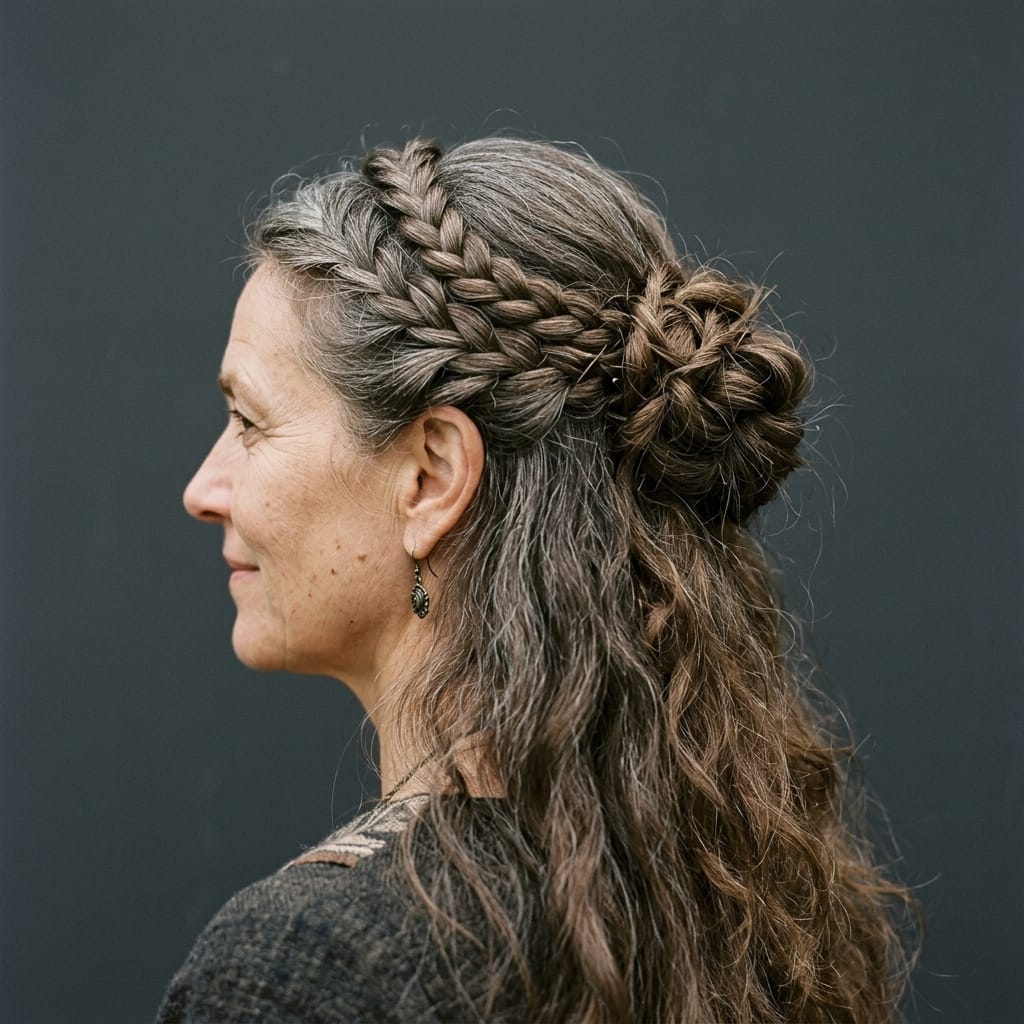
Also known as the “coronet” style, this look involves wrapping long braids completely around the circumference of the head, creating a natural, regal crown made entirely from your own hair.
How to Construct a Coronet
-
Part your hair directly down the center from your forehead all the way to the nape of your neck, dividing it into two equal sections.
-
Create two low, tight three-strand braids behind each ear. Secure the ends with thin, unnoticeable elastics.
-
Take the left braid, lift it upward over the top of your head like a headband, and pin it flat against your scalp on the opposite side.
-
Take the right braid, sweep it across the top in the opposite direction, tucking the loose ends underneath the first braid to hide them, and secure firmly with hairpins.
2. The Italian Renaissance Pinned Twists
Popularized in the later medieval and early Renaissance periods across Italy, this style keeps the hair close to the head at the sides but lets the length cascade down the back within a highly structured frame.
Achieving the Pinned Twist Effect
Gather a two-inch section of hair from above each ear. Twist these side sections tightly away from your face, pulling them toward the upper back of your head. Secure them together with a small elastic or an ornate metal clasp. Take the loose tail of this section and wrap it tightly down around the main length of your remaining hair, creating an ornamental, bound appearance that keeps your long locks contained yet beautifully displayed.
3. The Classic Low Interlaced Plait
For a simpler, more rustic, and comfortable everyday medieval vibe, a low, thick braid that rests flat against the spine was the ultimate go-to style for women across all social classes.
Elevating a Basic Low Braid
To make a simple braid feel authentically medieval, do not start it at the crown of your head. Instead, slick the top of your hair down smoothly, parting it down the center. Gather all your hair at the very base of your neck and tie it into a low ponytail first. From there, weave a tight three-strand braid, threading a long velvet ribbon through one of the strands. Tie the ribbon into a delicate bow at the very bottom of the braid.
Authentic Accessories for a Medieval Touch
To truly capture the essence of historical long hair styling, the right accessories are paramount. Medieval women relied heavily on functional pieces that doubled as jewelry.
Ornate Hair Rings and Filigrees
Noblewomen often adorned the lengths of their braids with small, metallic hair rings, pearls, or filigree cuffs. Dropping a few delicate silver or gold rings along the intersections of a French braid instantly elevates the look into something worthy of a fantasy queen.
The Magic of the Hair Tape or Ribbon Wrap
If you want to try a technique used for over five hundred years, look up “hair taping.” This involves taking a blunt tapestry needle threaded with thick ribbon and literally “sewing” your braids flat to your head or wrapping a cord continuously down the length of a ponytail. It distributes the weight of exceptionally heavy, long hair much more evenly than modern hairpins, preventing scalp fatigue and staying completely secure for days.