




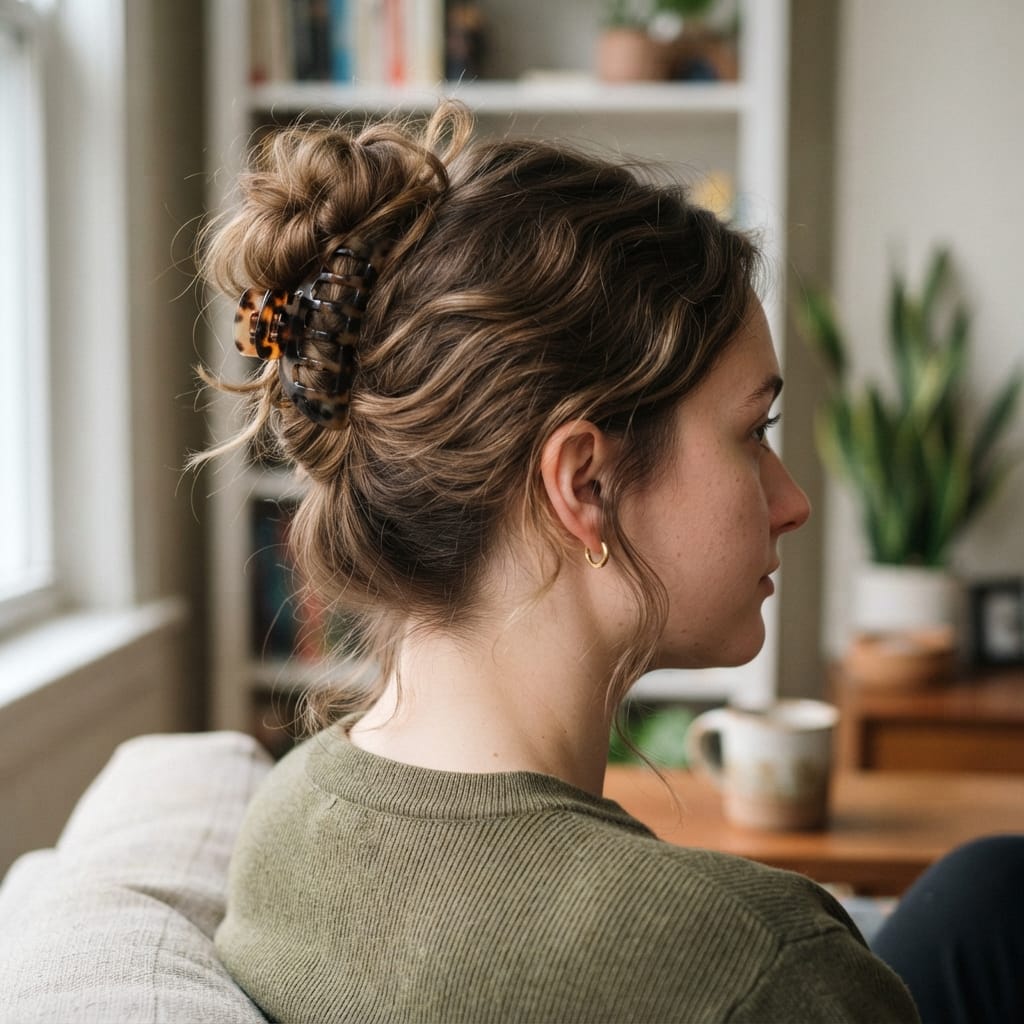




The Timeless Appeal of the Perfect Hair Bun: From Classic Elegance to Everyday Comfort
There is perhaps no hairstyle in human history as universal, enduring, and adaptable as the hair bun. Across cultures, generations, and fashion eras, gathering the hair into a neat or loose coil at the back of the head has served both practical and aesthetic purposes. It is a style born out of the sheer necessity to keep hair away from the face, yet it has evolved into a powerful fashion statement capable of projecting power, grace, romance, or casual ease.
Whether you are stepping onto a corporate stage, walking down a wedding aisle, or simply winding down at home after a long day, the bun remains an unrivaled choice. Understanding the architecture of a great bun can transform your daily styling routine from a mundane task into a creative expression.
The Architectural Foundation of a Flawless Bun
While a bun may look simple from the outside, achieving a version that stays secure all day without causing a headache requires a basic understanding of hair mechanics and prep work.
Analyzing Your Hair Elasticity and Density
The way your bun behaves depends heavily on your natural hair type. Thick, coarse hair holds structural shape well but requires heavy-duty support to stay upright. Fine, silky hair risks slipping out of place or looking compressed. Recognizing your hair’s unique density helps you determine whether you need structural padding, heavy-duty pins, or lightweight texturizers.
The Essential Prep: Setting Up the Grip
A perfect bun rarely starts on perfectly flat, slippery hair. To give your hair the necessary structural integrity, always start with a base layer of grip. Applying a small amount of lightweight volumizing mousse to damp hair before drying, or utilizing a dry matte paste on dry hair, ensures that your strands lock into one another rather than sliding apart under the weight of the style.
Iconic Bun Variations for Every Setting
The true magic of the hair bun lies in its structural diversity. By adjusting the placement, tightness, and finishing techniques, you can completely alter your presentation.
1. The Sleek Chignon
Derived from the French phrase chignon du cou (which translates to the nape of the neck), this classic look is the epitome of formal refinement. It sits low and tight, showcasing a smooth, reflective surface that catches the light beautifully.
Crafting a Polished Low Chignon
-
Brush your hair thoroughly to eliminate any tangles and establish a clean center or side part.
-
Gather the hair into a low, smooth ponytail at the very base of your neck and secure it with a firm elastic.
-
Twist the length of the ponytail tightly, then wrap it clockwise around the base of the hair tie.
-
Tuck the ends underneath the structure and anchor the perimeter securely using sturdy U-shaped hairpins. Finish with a high-shine hairspray to tame any stray flyaways.
2. The Ballerina Topknot
Sitting proudly at the absolute crown of the head, the ballerina bun is all about precision, clean lines, and elongating the profile of the neck. It projects an aura of discipline, poise, and high-fashion minimalism.
Achieving High-Altitude Perfection
To master this look, the angle is everything. When pulling your hair into the initial ponytail, aim for a diagonal line that extends upward from your jawline through the crown of your head. Once the high ponytail is anchored, using a hair donut or padding can help provide an immaculate, perfectly symmetrical circle, making it ideal for sleek, professional environments or dramatic evening wear.
3. The Twisted Braided Bun
For those who appreciate intricate detailing and a touch of bohemian flair, combining braids with a bun offers a rich, multi-dimensional texture that looks far more complicated than it actually is.
Combining Braids into a Bun
Start by creating a standard three-strand braid or a fishtail braid down the length of a mid-height ponytail. Once the braid is complete, gently pull apart the outer loops of the braid to expand its width and loosen the tension. Roll the widened braid around its own base, pinning flat against the scalp as you go. The result is an intricate, rose-like spiral that highlights the highlights and lowlights of your hair color.
Preventing Damage: Healthy Bun Practices
While wearing your hair up is incredibly convenient, doing it incorrectly can lead to long-term structural damage to your hair cuticles and scalp health.
Avoiding Traction Alopecia and Tension Headaches
Pulling your hair too tightly into a high position puts immense stress on the delicate follicles along your hairline. Over time, constant tension can lead to thinning edges, a condition known as traction alopecia. If you experience a tight scalp or a headache while wearing a bun, the style is too tight; immediately loosen the anchor point to protect your hair roots.
Choosing the Right Tools
Ditch the traditional rubber bands and metal-clasped hair ties, which slice into the hair shaft and cause severe breakage. Instead, invest in spiral telephone-cord hair ties, plush fabric scrunchies, or traditional Japanese wooden hair sticks. These tools distribute pressure evenly across the hair bundle, allowing you to maintain a secure hold without compromising the health of your strands.